
Rianna Martinez
February 15, 2024
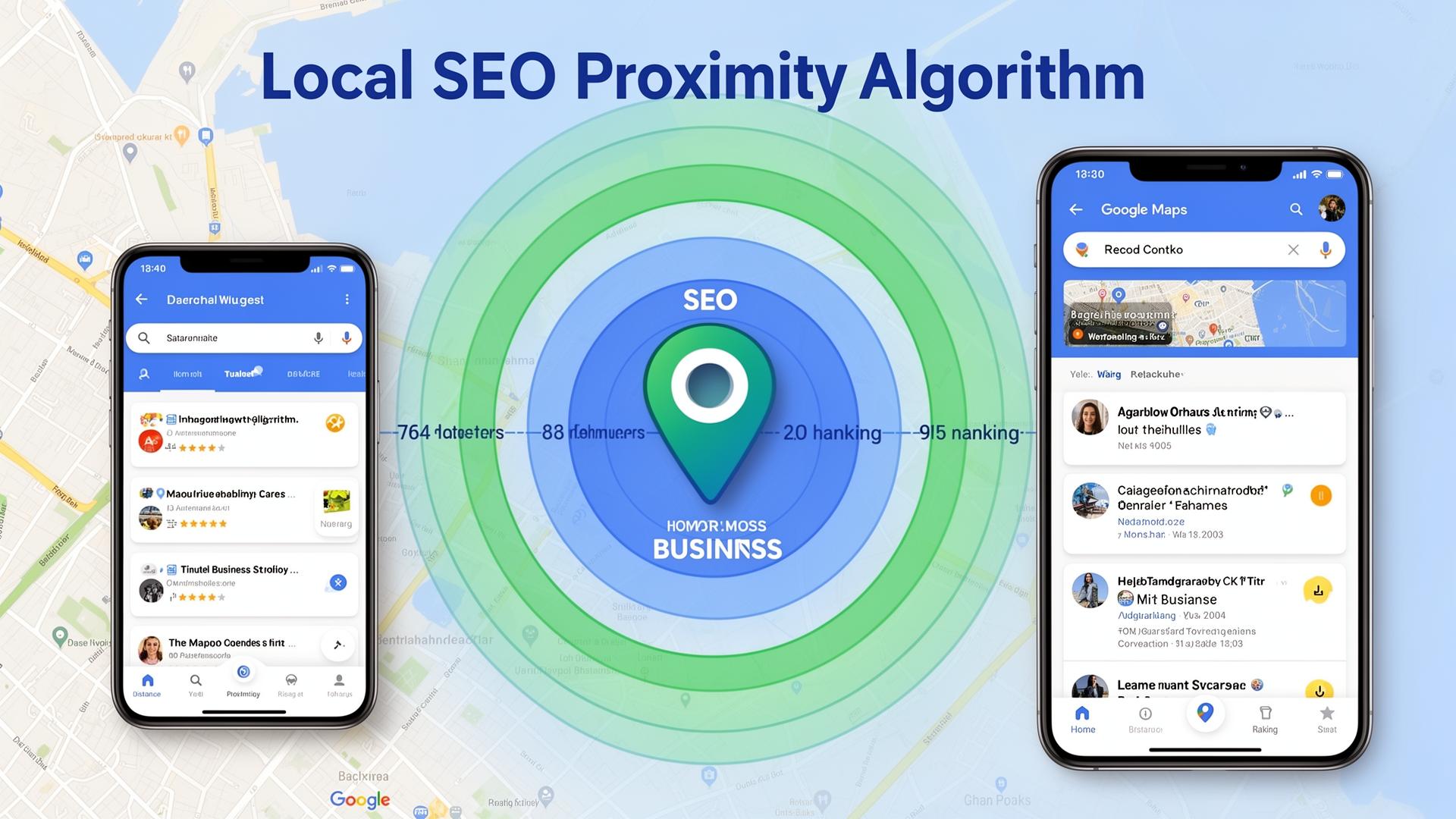
Most businesses obsess over reviews. But Google's algorithm has a secret: proximity often beats everything else. Here's what that means for your business. For a complete strategy on all ranking factors, see our ultimate Google Maps ranking guide.
The Proximity Factor Explained
When someone searches for a service without specifying a location, Google uses their physical location to serve results. The closer you are to the searcher, the higher you'll rank—even if competitors have more reviews.
This is Google's way of serving the most convenient option. A business 2 blocks away with 4.3 stars will often outrank a business 5 miles away with 4.9 stars.
How Proximity Works in Practice
Google's Local Pack prioritizes three main factors:
- Relevance: Does your business match the search query?
- Distance: How close are you to the searcher?
- Prominence: Reviews, citations, and authority
Notice distance comes before prominence. If you're close and relevant, you're already ahead of most competitors.
Optimizing for Proximity
You can't change your physical location, but you can optimize how Google understands your service area:
- Define service areas clearly: List specific neighborhoods and cities you serve
- Create location-specific content: Write about the areas you service
- Use local keywords naturally: Mention street names, landmarks, and neighborhoods
- Build local citations: Get listed in area-specific directories. Our citation building guide covers the priority directories
- Engage locally: Sponsor events, partner with nearby businesses
These signals help Google understand exactly where you operate and who you serve. For service area businesses, learn more in our Google Maps marketing strategies guide.
The Strategic Advantage
Understanding proximity gives you a massive competitive edge:
- You can compete with bigger brands by dominating your immediate area
- You'll win searches from people closest to you—the highest-intent customers
- You can target specific neighborhoods with localized marketing
- Mobile searches (which are proximity-heavy) will favor you
This is how small businesses beat national chains in local search.
Proximity + Reviews = Dominance
Here's the key insight: proximity gets you in the game, but reviews and prominence win it. Our review generation strategies guide shows you how to build a steady stream of authentic reviews.
If you're close to the searcher AND you have strong reviews, you'll crush it. But if you're counting on reviews alone to make up for weak proximity signals, you're losing business to competitors right down the street.
Location Is Your Secret Weapon
Most businesses don't optimize for proximity because they don't realize how powerful it is. That's your opportunity. Understanding how Google algorithm updates affect local rankings helps you stay ahead.
By understanding and leveraging Google's proximity algorithm, you can dominate local searches in your immediate area—even against bigger, better-known competitors.
Frequently Asked Questions About Proximity SEO
Keep Reading
Free Marketing Scorecard + Game Plan
See exactly where you stand against competitors and get a custom roadmap to dominate Google Business Profile rankings.
- Competitive analysis for your service area
- Google Business Profile audit
- Custom ranking strategy