
Rianna Martinez
Founder, Profile Launch
December 30, 2024
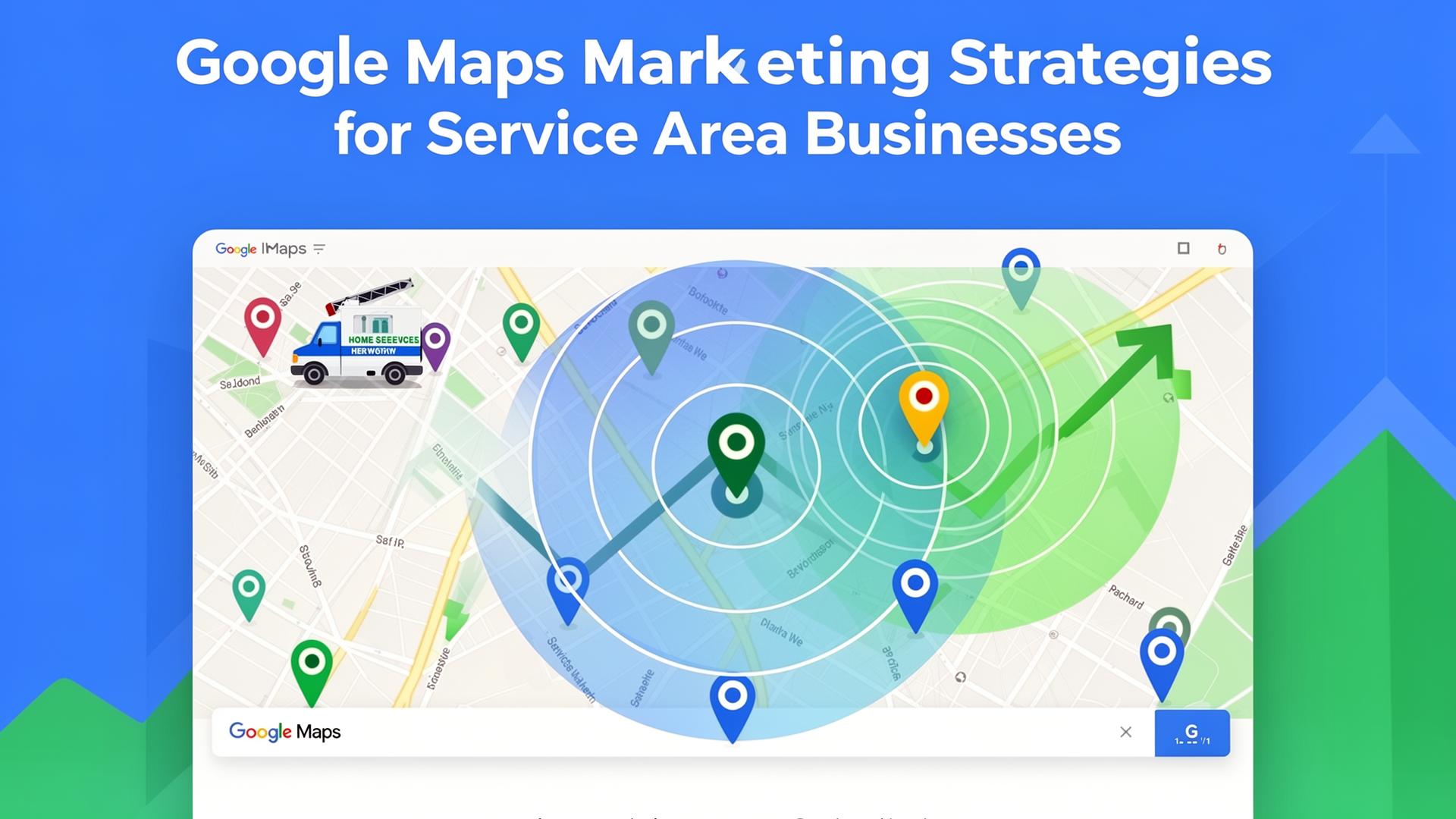
Service area businesses face unique challenges in Google Maps marketing. Without a storefront to anchor your presence, you need strategic approaches to expand your reach while maintaining strong rankings in your core service areas. Understanding proximity SEO is critical for SABs looking to dominate local search.
of customers find local businesses through Google Maps
of local searches result in a same-day visit or call
cost per lead from organic Google Maps traffic
Understanding Service Area Businesses
Service area businesses operate differently from traditional storefronts, and Google Maps treats them accordingly. Understanding these distinctions is crucial for effective marketing.
SAB Characteristics
- Travel to customer locations
- Can hide physical address
- Display service area radius
- Compete in multiple cities
Storefront Characteristics
- Customers visit location
- Address always visible
- Pin on map shows location
- Rankings tied to physical location
The Proximity Challenge
Even though SABs hide their address, Google still uses it for proximity calculations. This means your strongest rankings will be closest to your registered address, gradually weakening as distance increases. Strategic address placement is critical. Learn more about ranking factors and citation building to strengthen your presence.
Service Area Optimization
How you configure your service areas directly impacts where you appear in search results. Follow these strategies for optimal coverage.
| Strategy | Implementation | Impact |
|---|---|---|
| Priority Cities First | List your highest revenue cities at the top | High |
| Neighborhood Names | Include popular neighborhood names in large cities | High |
| Radius Limit | Keep service area within 30 miles for relevance | Medium |
| County Coverage | Add county names for broader geographic targeting | Medium |
| Regular Updates | Review and update areas quarterly | Ongoing |
Pro Tip
Don't list every city you could possibly service. Focus on 15 to 20 areas where you actively want more business. Too many areas dilutes your relevance in each one.
Google Maps Ranking Factors
Understanding what Google prioritizes helps you allocate marketing efforts effectively. These are the key factors that determine your Maps visibility.
Proximity to Searcher
The single most important factor. Google heavily weights how close your business address is to the person searching. For SABs, this means your registered address location matters significantly.
Relevance to Search Query
How well your profile matches what someone searched for. This includes your business category, services listed, and keywords in your profile description.
Prominence and Authority
Your business's overall online reputation including reviews, citations, website authority, and social signals. More established businesses with consistent NAP rank higher. Consider implementing schema markup to boost your authority signals.
Profile Completeness and Activity
Complete profiles with regular updates, photos, posts, and Q&A engagement signal an active business that Google can confidently recommend to searchers.
Multi-Location Expansion Strategy
When a single profile can't cover your desired territory, strategic expansion becomes necessary. Here's how to grow your geographic footprint effectively.
When to Expand
- Revenue justifies additional location
- Target area is 30+ miles from current address
- Competitors dominate distant markets
- You have staff in the target area
Avoid These Mistakes
- Creating fake locations without real presence
- Using virtual offices with no staff
- Overlapping service areas excessively
- Inconsistent NAP across locations
Legitimate Expansion Options
Content and Engagement Strategy
Active profiles outperform dormant ones. Regular content and engagement signals to Google that your business is thriving and relevant.
Weekly Activities Checklist
Geo-Targeted Content Ideas
- Job completion photos: Tag the city and neighborhood in your posts
- Local event mentions: Reference community events and seasons
- Weather-based services: Connect services to local weather conditions
- Before and after: Showcase transformations in specific areas
Measuring Success
Track these key metrics to understand your Google Maps performance and identify opportunities for improvement.
Primary Metrics
- Profile ViewsHow many people see your listing
- Direction RequestsIntent signal even for SABs
- Phone CallsDirect conversion actions
- Website ClicksTraffic from Maps to your site
Ranking Indicators
- Local Pack AppearancesHow often you show in top 3
- Search QueriesWhat terms trigger your listing
- Photo ViewsEngagement with visual content
- Review VelocityNew reviews per week or month
Rianna Martinez
Founder, Profile Launch
Helping home service businesses dominate local search and generate more leads through strategic Google Maps marketing.
Frequently Asked Questions About Google Maps Marketing
Keep Reading
Free Marketing Scorecard + Game Plan
See exactly where you stand against competitors and get a custom roadmap to dominate Google Business Profile rankings.
- Competitive analysis for your service area
- Google Business Profile audit
- Custom ranking strategy